Understanding the Needs of Persons with Reduced Mobility Using Autonomous Vehicles in Public Transport
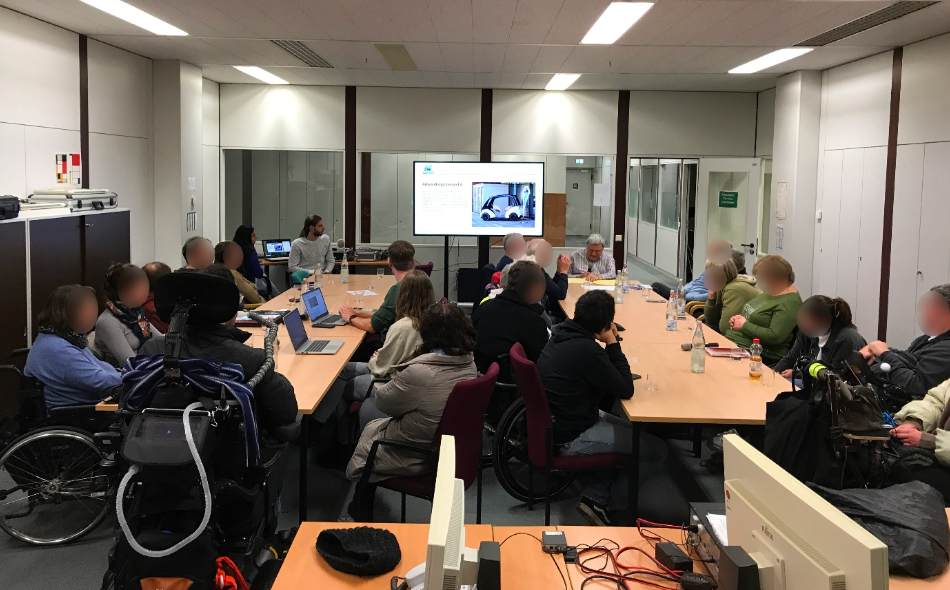
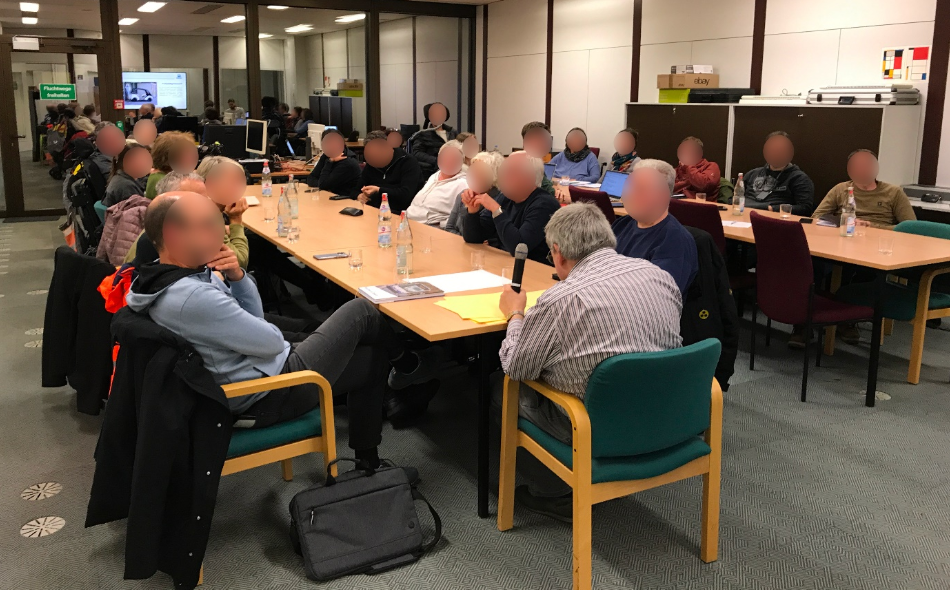
On November 19, the Siemens Accessibility Competence Center (ACC) in Paderborn hosted a meaningful event dedicated to improving accessibility in public transportation, particularly focusing on autonomous vehicles. The event brought together individuals with disabilities from the city of Paderborn, providing them with a unique opportunity to contribute their voices and experiences to shape a more inclusive future for public transport.
The initiative was a collaborative effort led by Klaus-Peter Wegge from Siemens Accessibility Competence Center, alongside representatives from the Paderborn city administration. As part of the AutoTrust project, they facilitated discussions and workshops designed to uncover real-life challenges faced by passengers with disabilities and to identify actionable solutions, especially for AVs.
Listening to Those Who Matter Most
During the event, 15 participants from the citizen’s inclusion network Paderborn, representing a diverse range of disabilities and respective organizations, shared their daily experiences with public transportation, highlighting barriers that impede seamless mobility. Whether it was difficulties identifying the vehicle, boarding buses, insufficient space for assistive devices, or issues with navigation and communication systems, these first-hand accounts painted a vivid picture of the improvements needed. These insights have then been applied to the context of autonomous vehicles (AVs), ensuring that the next generation of public transport doesn’t just embrace technological innovation but also prioritizes inclusivity.
The information and methods used during the event were carefully adapted to the knowledge and specific needs of the participant groups: Large print, braille, induction loops, automatic transcriptions etc. This ensured active engagement and meaningful contributions of all participants.
|
|
The Most Important Pain Points for the main Accessibility Needs in Autonomous Vehicles are:
- Identification and localisation of the ordered shuttle shall be possible without seeing.
- The vehicle shall include space for wheelchair and boarding aids, such as automatic ramps, kneeling/lowering functions, or onboard lifts.
- High color contrasts and acoustic signals (e.g., for door finding, button confirmation, or ramp movement) are required inside and outside the shuttle.
- No sensor or touch buttons in- and outside the AV!
- In unexpected or emergency situations human assistance must be ensured, either remotely or on site.
- Information about the journey route planning shall be presented audio visually.
- Websites and mobile applications of the service shall be fully accessible (e.g., screen magnification or speech-output).
- High IT security standards, including robust cybersecurity, must be implemented
Paying attention to these key points is the key to making successful, inclusive, automated local transport a reality!